


-
Ali Razzak
-
Mar 13, 2026, 12:00:00 AM
Revenue leakage rarely happens in obvious ways. Most organisations track sales numbers, pipeline growth, and closed deals carefully, yet significant revenue often disappears quietly through contract terms and discounting practices. Poorly managed agreements, inconsistent pricing approvals, and outdated contract terms can create what many companies call the contract-and-discount black hole, a hidden area where revenue gradually slips away.
In fast-growing organisations, especially those with complex pricing models, multiple sales teams, and recurring revenue structures, contract oversight becomes increasingly difficult. Without structured processes and the right tools, businesses may unknowingly give away discounts, overlook renewal opportunities, or misapply pricing terms.
The good news is that these problems are highly preventable. By implementing smart contract management software and structured contract workflows, companies can dramatically reduce revenue leakage, strengthen compliance, and gain full visibility into pricing and agreements.
This article explores how contract mismanagement causes revenue leakage, why traditional contract processes fail, and how modern contract management solutions for businesses can help revenue teams close these gaps.
Understanding the Contract & Discount Black Hole
Contracts define how revenue is generated, billed, and renewed. They determine pricing structures, discounts, service commitments, payment schedules, and renewal terms. However, in many companies, contracts are still managed manually or across disconnected systems.
Sales teams may negotiate pricing in spreadsheets, approvals may happen through email threads, and finalised contracts might be stored in scattered folders. Over time, this lack of structure creates opportunities for errors, inconsistencies, and lost revenue.
The contract and discount black hole often appears when:
1. Discounts exceed approved thresholds2. Contract terms differ from standard pricing policies
3. Renewal dates are missed or overlooked
4. Billing teams cannot access accurate contract details
5. Sales teams make manual adjustments outside standard workflows
Each of these issues contributes to revenue leakage, where the company fails to capture the full value of its products or services.
How Contracts Become a Source of Revenue Leakage
Revenue leakage related to contracts usually occurs in subtle ways. Unlike lost deals, these losses often remain invisible until a financial review or audit reveals discrepancies.
Uncontrolled Discounting
Sales teams often negotiate discounts to close deals quickly. While discounts can be a valuable sales tool, a lack of oversight can lead to inconsistent pricing practices. If approvals are informal or poorly tracked, discounts may exceed acceptable limits, directly reducing revenue.
Without a structured contract management solution, businesses struggle to monitor how often discounts are applied and whether they align with pricing policies.
Inconsistent Contract Terms
When contracts are created manually or copied from previous agreements, inconsistencies can easily occur. Pricing terms, service commitments, or payment schedules may differ from company standards.
Over time, these inconsistencies create billing complications and may even lead to undercharging customers.
A robust contract management approach for revenue operations ensures that standardised templates and pricing rules are applied consistently across all agreements.
Missed Renewals and Expiring Contracts
Recurring revenue businesses rely heavily on renewals. However, if renewal dates are buried in spreadsheets or email threads, opportunities can easily be missed.
Contracts that automatically renew at outdated pricing or fail to renew at all represent significant lost revenue.
A modern smart contract management software platform can automatically track renewal dates and trigger alerts before contracts expire.
Lack of Visibility Across Revenue Teams
In many organisations, sales, finance, legal, and operations teams all interact with contracts in different ways. Without centralised systems, each team may have partial or outdated information.
For example, a sales representative may promise pricing terms that finance cannot verify. Or billing teams may invoice based on incorrect contract details.
Centralised contract systems eliminate these silos by ensuring all teams have access to the same data.
Revenue Leakage: Expert Tips on How to Identify and Avoid
Why Traditional Contract Management Fails
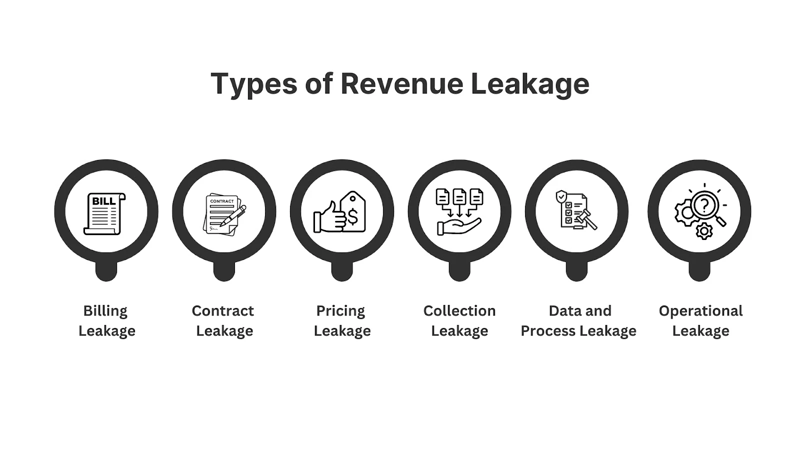
Historically, contract management has been treated as a legal or administrative function rather than a revenue-critical process. As a result, many businesses rely on outdated workflows.
Common challenges include:
1. Contracts stored across multiple platforms or drives2. Manual approval processes through email
3. Lack of pricing or discount governance
4. Limited reporting on contract performance
5. Difficulty tracking amendments or revisions
These inefficiencies make it nearly impossible to enforce pricing policies or maintain consistent revenue practices.
As organisations scale, these gaps become larger and more costly.
The Role of Smart Contract Management Software
Modern smart contract management software addresses these challenges by automating and centralising the entire contract lifecycle.
Instead of relying on manual processes, contract management platforms integrate directly with CRM, billing systems, and revenue operations tools. This integration ensures that pricing rules, approvals, and contract terms are consistently applied.
Key capabilities often include:
1. Automated contract creation using standardised templates
2. Approval workflows for pricing and discounts
3. Real-time tracking of contract changes
4. Renewal alerts and automated reminders
5. Integration with sales and billing systems
These features significantly improve revenue leakage prevention by eliminating process gaps.
Contract Management for Revenue Operations
In modern organisations, revenue operations (RevOps) teams are responsible for aligning sales, marketing, and customer success processes to maximise revenue efficiency.
Contracts play a critical role in this ecosystem.
Effective contract management for revenue operations ensures that pricing strategies, sales negotiations, and billing processes remain aligned.
When contract management is integrated into the RevOps framework, organisations gain:
1. Clear pricing governance
2. Consistent approval processes
3. Accurate billing and invoicing
4. Improved revenue forecasting
5. Better visibility into customer commitments
This alignment helps prevent revenue leakage while strengthening operational efficiency.
Revenue Leakage from Sales Process: Missed Follow-ups, Lead Decay & How to Plug Them
How Smart Contract Systems Prevent Revenue Leakage
Smart contract platforms help address revenue leakage in several ways.
Standardised Contract Templates
Using predefined templates ensures that contracts follow consistent legal and pricing standards. This reduces errors and prevents unauthorised modifications.
Discount Approval Workflows
Automated approval processes ensure that discounts above certain thresholds require management approval. This prevents uncontrolled discounting while maintaining transparency.
Automated Renewal Tracking
Smart contract platforms automatically track renewal timelines, ensuring that sales teams are alerted well before contract expiration dates.
This feature helps capture renewal revenue that might otherwise be missed.
Integration with CRM and Billing Systems
Integration ensures that pricing terms from contracts flow directly into billing and invoicing systems. This eliminates manual data entry and reduces the risk of underbilling.
Contract Analytics and Reporting
Advanced analytics provide insights into pricing trends, discount patterns, and contract performance. Revenue teams can identify risks and opportunities more effectively.
Choosing the Best Contract Management Software for Revenue Teams
When evaluating the best contract management software for revenue teams, organisations should consider several factors.
First, integration capabilities are critical. The platform should connect seamlessly with CRM systems such as HubSpot or Salesforce, as well as billing and finance tools.
Second, workflow automation is essential. Automated approval processes and contract generation save time while ensuring compliance.
Third, analytics and reporting features help organisations monitor contract performance and detect revenue leakage risks early.
Finally, scalability is important. As companies grow, contract complexity increases, so the system must support expanding sales teams and customer bases.
Building a Revenue-Protected Contract Strategy
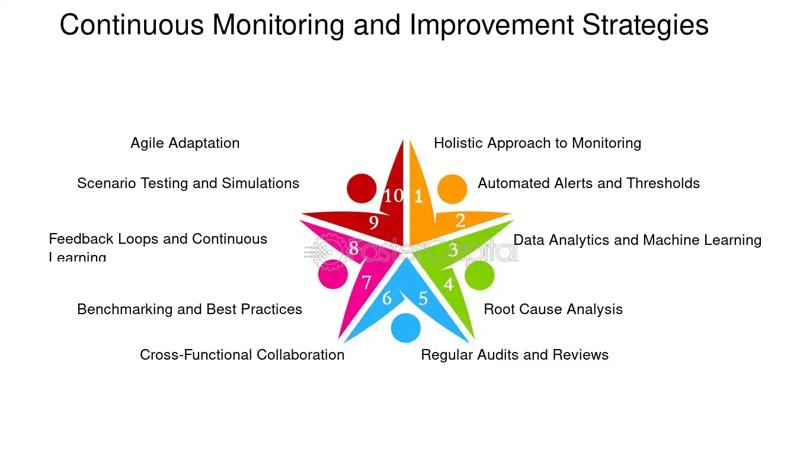
Preventing revenue leakage requires more than just software. Organisations must also implement clear processes and governance policies.
Key steps include:
1. Establishing standardised contract templates
2. Defining discount approval thresholds
3. Implementing automated contract workflows
4. Integrating contracts with CRM and billing systems
5. Conducting regular contract audits
These steps ensure that contract management becomes a core component of the revenue strategy rather than an administrative afterthought.
The Future of Contract Management
As revenue operations continue to evolve, contract management will become even more critical.
Companies are moving toward automated revenue systems that integrate pricing, contracts, billing, and forecasting. AI-powered contract analytics may soon automatically identify pricing inconsistencies or renewal risks.
Organisations that adopt modern contract management systems today will be better positioned to maintain pricing discipline and prevent revenue leakage as they scale.
Conclusion
Revenue leakage caused by poorly managed contracts and uncontrolled discounting is a hidden but significant challenge for many businesses. Without structured processes and modern tools, valuable revenue can be lost to inconsistent pricing, missed renewals, and operational inefficiencies.
By implementing smart contract management software, organisations can strengthen revenue leakage prevention, enforce pricing governance, and ensure that every contract contributes to sustainable revenue growth.
For revenue teams focused on scaling efficiently, fixing the contract-and-discount black hole is not just an operational improvement; it is a strategic advantage. Stay tuned with Team CloudSource for further information.
FAQs
What is revenue leakage in contracts?
Revenue leakage in contracts occurs when businesses lose potential income due to incorrect pricing, unauthorised discounts, missed renewals, or billing inconsistencies.
How can companies prevent revenue leakage in contracts?
Companies can prevent leakage by implementing standardised contract templates, approval workflows for discounts, automated renewal tracking, and centralised contract management systems.
What is smart contract management software?
Smart contract management software is a digital platform that automates contract creation, approvals, tracking, and renewals, and integrates with sales and billing systems.
Why is contract management important for revenue operations?
Contract management ensures pricing consistency, accurate billing, and proper tracking of customer commitments, which helps revenue teams maintain predictable growth.
What are the best contract management software features for revenue teams?
Key features include automated contract workflows, discount-approval processes, CRM integration, renewal alerts, and analytics to monitor contract performance.