
Team CloudSource Blog

-
Aamir Abbas
-
Mar 2, 2026 4:02:05 PM
Social media is no longer just a broadcasting channel. It is a live, continuous stream of customer sentiment, buying signals, competitor comparisons, and brand perception. The brands that win today are not the ones posting the most content; they are the ones listening strategically.
That is where social listening using HubSpot becomes powerful.
When implemented correctly, social listening inside HubSpot allows businesses to move beyond surface-level engagement and build insight-driven marketing strategies. Instead of reacting to comments randomly, you can monitor brand mentions, track industry conversations, identify buying intent, and connect social activity directly to CRM data.
This guide explores best practices for social listening in HubSpot, explains how HubSpot social listening works, and outlines how to measure ROI by connecting social activity to real business growth.
Why Social Listening Is Important for Brands
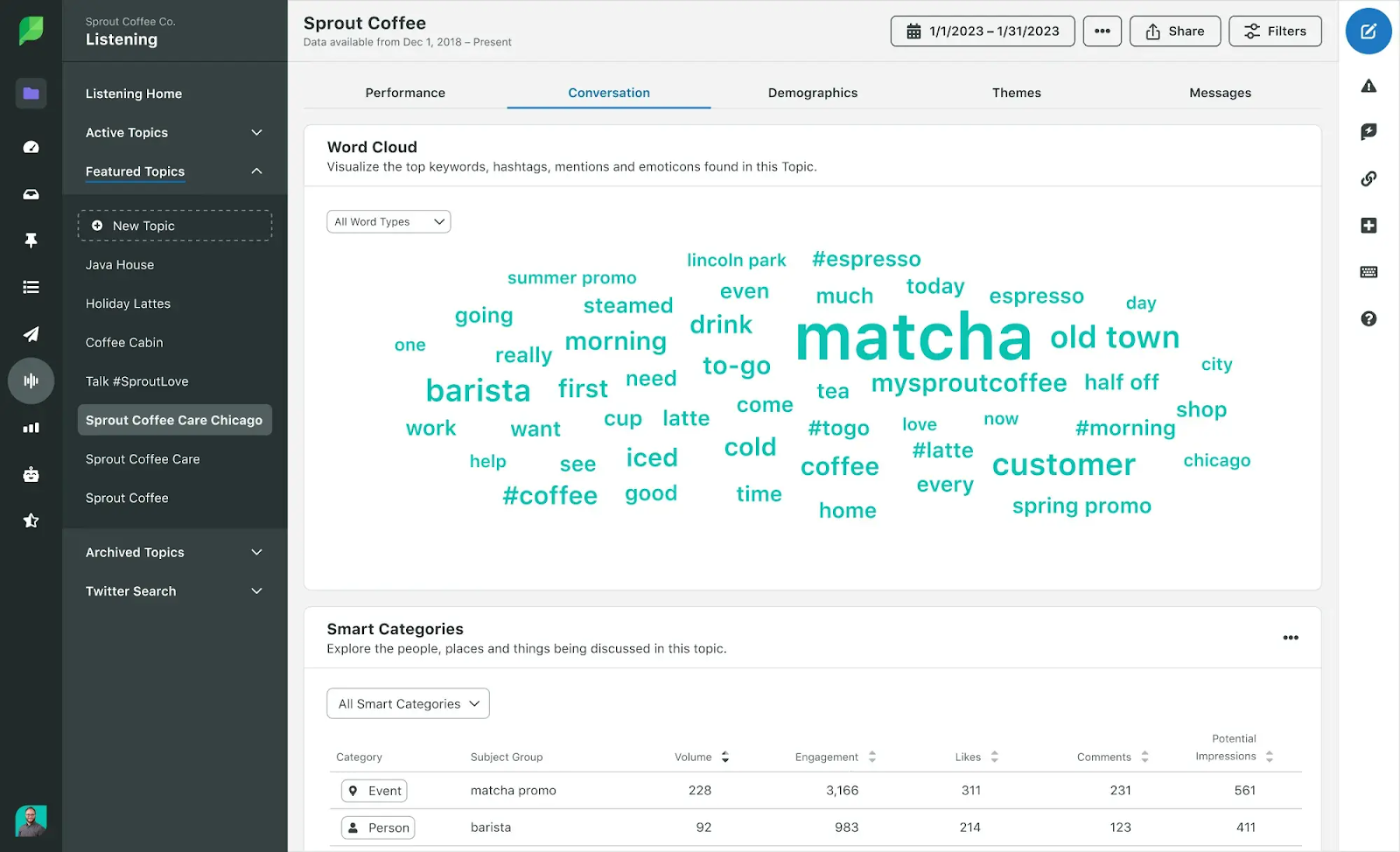
Before diving into tools and setup, it’s important to understand why social listening is essential for brands.
Customers are constantly discussing products, competitors, pain points, and preferences online. Many of these conversations happen without directly tagging your brand. If you only monitor comments on your own posts, you miss the majority of insight.
Social listening allows brands to:
Understand audience sentimentIdentify emerging trends
Monitor competitor activity
Detect customer frustrations early
Capture high-intent buying signals
In an inbound marketing environment, this intelligence becomes even more valuable. Social listening informs content strategy, sales outreach, customer service improvements, and brand positioning. When integrated into HubSpot, those insights are no longer isolated; they connect to contacts, lifecycle stages, and revenue attribution.
How HubSpot Social Listening Works
To use the platform effectively, you first need to understand how HubSpot social listening works.
HubSpot’s social monitoring tools allow you to create streams that track specific keywords, brand mentions, hashtags, and competitor names across supported social platforms. These streams pull in public conversations in real time, enabling your team to review and engage directly within the HubSpot interface.
What makes the social listening HubSpot unique is its CRM integration. When someone interacts with your social content or mentions your brand, you can associate that engagement with their contact record. This provides context beyond a single interaction. You can see their lifecycle stage, previous website activity, email engagement, and deal status, all in one place.
Instead of treating social interactions as disconnected events, HubSpot connects them to the broader customer journey.
How to Do Social Listening in HubSpot (Strategic Approach)

Many teams ask how to do social listening correctly in HubSpot. The technical setup is straightforward. Strategic thinking determines impact.
The first step is identifying what conversations matter. Monitoring your brand name is obvious, but it is not enough. You should also track industry keywords, competitor names, product categories, and common pain points related to your offering.
Next, segment listening streams by purpose. One stream may monitor direct brand mentions. Another may track competitor comparisons. A third might focus on industry trends or emerging discussions.
Once monitoring is active, define engagement guidelines. Decide when to respond publicly, when to escalate internally, and when to log interactions in the CRM for sales follow-up.
An effective HubSpot social monitoring step-by-step is less about button clicks and more about defining processes that align with marketing and sales goals.
HubSpot Implementation Checklist for New Users
Best Practices for Social Listening in HubSpot
Executing best practices for social listening in HubSpot requires consistency and alignment across teams.
First, integrate listening with content strategy. If you notice recurring questions or objections in social conversations, turn them into blog posts, FAQs, or downloadable guides. Social listening becomes a powerful content research engine that reflects real customer language rather than assumptions. This ensures your messaging resonates because it’s rooted in authentic conversations happening in your industry.
Second, involve sales teams. When a user publicly expresses buying intent, such as asking for recommendations, those conversations should not remain solely in marketing. Sales can engage thoughtfully, guided by CRM context, previous interactions, and lifecycle stage. This alignment shortens response time and increases the likelihood of meaningful engagement.
Third, track sentiment over time. Is brand perception improving? Are competitor complaints increasing? Trends in conversation volume, engagement quality, and tone often signal larger market shifts before they appear in formal reports. Monitoring these patterns allows teams to respond proactively rather than reactively.
Finally, document insights regularly. Social listening loses value if insights remain informal observations rather than structured data that informs campaigns and positioning. Create monthly summaries, tag recurring themes, and share findings across marketing, sales, and leadership. When insights are centralised and actionable, social listening evolves from a monitoring task into a strategic growth driver.
Social Media Listening Tools HubSpot: What You Can Monitor

HubSpot includes built-in social media listening tools that HubSpot users can configure within the marketing hub. These tools allow you to monitor keyword mentions, track engagement, and respond directly.
However, tools alone do not guarantee insight. The value comes from how streams are configured and how data is used. For example, tracking a competitor’s brand name might reveal dissatisfaction in their customer base. That information can inform targeted content or sales outreach strategies.
The strength of HubSpot lies in unifying social monitoring with automation and reporting. When listening insights connect with workflows, lead scoring, and lifecycle updates, social becomes measurable.
Common Social Listening Mistakes HubSpot Users Make
Even with the right tools, mistakes can limit effectiveness. Some of the most common social listening mistakes HubSpot users make include monitoring too few keywords, failing to update streams regularly, or treating listening as a passive activity.
Another common issue is responding inconsistently. Without internal guidelines, some mentions receive attention while others go unnoticed. This inconsistency can damage brand perception.
Many teams also fail to connect social listening to measurable outcomes. Without tying conversations to CRM records, pipeline influence, or content performance, it becomes difficult to justify continued investment.
Avoiding these mistakes requires defined ownership, documented workflows, and ongoing performance reviews.
How to Measure Social Listening ROI
Understanding how to measure social listening ROI is critical for long-term adoption.
Social listening does not produce revenue in isolation. Its impact appears across multiple metrics, including brand awareness, engagement growth, content performance, lead generation, and sales influence.
To measure ROI effectively inside HubSpot, track:
Increase in qualified traffic from socialEngagement-to-contact conversion rates
Leads influenced by social interactions
Opportunities initiated from social conversations
Sentiment improvement over time
Because HubSpot connects social activity to CRM data, you can move beyond vanity metrics and analyse lifecycle progression. For example, if contacts who engaged via social listening streams convert at a higher rate, that signals strategic value.
ROI measurement should focus on pipeline contribution, not just engagement volume.
Building a Scalable Social Listening Framework in HubSpot
Social listening should not operate as a short-term experiment. It should become part of your marketing rhythm.
Start with clear goals. Are you aiming to improve brand perception, capture buying signals, or strengthen competitive positioning? Your listening streams should reflect those priorities.
Next, define ownership. Marketing teams often manage monitoring, but sales and customer success should also be involved when appropriate.
Finally, review and optimise quarterly. As campaigns evolve, keyword streams and monitoring priorities should adapt.
When approached strategically, social listening using HubSpot becomes a scalable intelligence system that continuously informs growth decisions.
How Team CloudSource (TCS) Helps Brands Implement Social Listening
At Team CloudSource (TCS), we help businesses move beyond reactive social engagement toward structured social intelligence.
Our approach to HubSpot implementation begins by identifying business objectives and mapping listening streams to buyer journey stages. We configure monitoring environments aligned with industry keywords, competitor analysis, and high-intent conversation tracking.
Beyond setup, we integrate social listening insights into CRM workflows, lead scoring models, and content strategies. This ensures social activity is not isolated but directly connected to measurable marketing and sales outcomes.
Our focus is not simply on engagement, but on building systems that transform social data into strategic advantage.
FAQs
1. What is social listening using HubSpot?
Social listening using HubSpot involves monitoring brand mentions, keywords, and industry conversations across social platforms while connecting interactions to CRM data.
2. How does HubSpot social listening work?
HubSpot allows users to create monitoring streams for keywords and mentions. These streams pull public conversations into the platform, where teams can engage and track interactions.
3. Why is social listening important for brands?
It helps brands understand audience sentiment, identify trends, monitor competitors, and capture buying intent before competitors do.
4. What are common social listening mistakes in HubSpot?
Monitoring too few keywords, failing to define engagement processes, and not connecting social insights to CRM data or measurable ROI.
5. How do you measure social listening ROI?
Measure influenced leads, conversion rates from social engagement, pipeline contribution, and long-term sentiment trends rather than focusing solely on likes or shares.